Table Of Content

Emotional design can be tricky when tackling problems, but art often encourages spontaneity. When weighing art versus design, it does not need to be antagonistic, as understanding the differences helps you better understand design trends. Design trends that needlessly complicate or get in the way of functionality are bad design. Dipping too far into art techniques to the point where they interfere with the thing’s purpose is a sign you’ve gone too far.
The difference between art and design
Different people can take away different messages from it. In this sense, Art can be vague about what it wants to convey, leaving it to the consumer about what they want to take away from it. The effort to define art has been a source of contention for ages. Plato, the Greek philosopher, felt that art is fundamentally a reflection of a reflection of what is real. However, his beliefs are widely debated, and since we must begin somewhere, we must strive for an understanding that recognizes history as well as the diversity of global thinking and culture.
Encaustic Painting – A Guide to Creating Your Own Encaustic Wax Art
What is art, what is design, and what are the differences that make each discipline unique? For centuries, the fields of art and design have remained interconnected, drawing from each other, and other fields like mathematics, to bring concepts to life. While some find it challenging to distinguish between art and design, and what sets these disciplines apart, we have provided a detailed explanation of the key differences between art and design.
What Is the Relationship Between Art and Design?
This type of art is also dubbed the mother of all art types since it involves the planning, design, and construction of physical structures using man-made and natural materials. Architecture is a creative and functional art form that is unique since it produces works of art that also become structures that one can inhabit, move through, and reconstruct. Art and design can be found merged beautifully together in almost all aspects of life.
To me, the difference is participating in design, and some of that participation is being in community. It’s not just being in community to find a sense of belonging, but to be inspired, exchange knowledge, share tricks with programs, and explore other designers’ work. Every artistic movement in history is created by a collective. Some names are more prominent, but these collectives are crucial because ideas get passed down, and it’s important to have that inspiration and push forward, especially in such a subjective practice. All in all, this is not a rivalry, but a collaboration — an ongoing dialogue that shapes the way we perceive and interact with the world.

Form and Function: The balance between form and function sets art and design apart:
CloudApp is a little more visually exciting than the ones above, but the design is still subtle. This combination of minimalism and great use of visuals reflects the design of their product perfectly. Below are some more designs with minimal eye-candy that are actually designed really well. Delicious does a great job of balancing their layout.

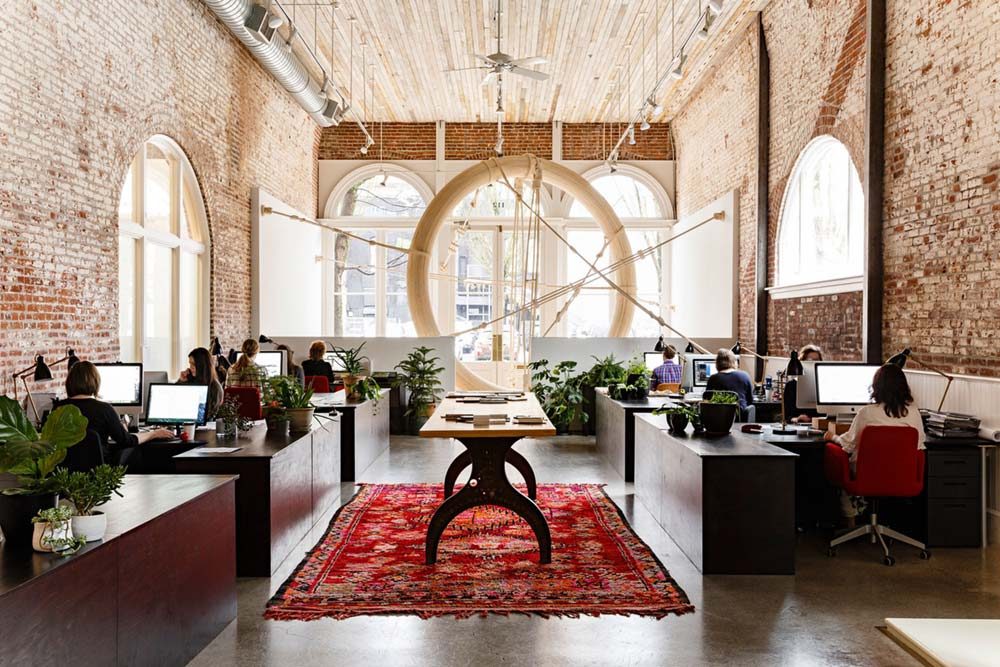
We have modular tables that model the professional world and are conducive to working in groups to pass knowledge between each other and to have a space to belong. The act of creating is a vulnerable and scary act, so the more comfort and security we can provide to our students through their surroundings and the people they’re with, the more we can facilitate creativity. In the expansive realm of creativity, two prominent pillars stand tall — Art and Design.
One of the primary distinctions between these two disciplines is that design is more artistically constrained. Designers can and do express sentiments and ideas through their work, but this is not the primary goal of a successful design. The aesthetic abilities and ingenuity of a designer are still important, but providing an useful item, tool, or experience is the top goal. Design tends to be more researched and practiced, whereas art can be a more emotional experience. Current trends in design come from observation and experimentation, while artistic design can be more impulsive and emotional.
This does not mean that design cannot be used for self-expression or limits the designer entirely from producing a design that evokes emotion. Art and design may seem to be familiar despite the above differences. Designers and artists are completely different professionals with different skill sets and different purposes. Artists are instinctive, while designers are rationalists.
You need the creativity and free-flowing thought that comes with the artistic process and the direction and collaboration of design. Together these things will help you create something unique and fresh that hopefully connects to a person’s intellect and emotions. Good design is definitely not about art or aesthetics alone.
On the other hand, art is a medium of expression that carries profound meaning. Artists create works intended to evoke emotions and stimulate contemplation in the viewer. Texture, shape, volume, space, line, color, form, and value are the elements of art. The purpose of art is to connect with human emotions and produce a product with the help of human experiences. Art is the self-expression of an artist’s creative or imaginative ideas or emotions. It is very difficult to explain art as it tends to take an abstract form.
The Republican Chairwoman of the Committee, Virginia Foxx, starts reminding her that there was a student who was actually hit with a stick on campus. There was another gathering more recently glorifying Hamas and other terrorist organizations, and the kind of chants that have become an everyday chorus on campus, which many Jewish students see as threatening. But when the questioning starts, President Shafik is ready.
Two Toptal designers engage in a lively debate about aesthetics, objectivity, and the definition of art and design. • An independent artist does not depend on a designer. He thinks for himself and carries on with his work. However, in a commercial setting, if the designer and artist are two people, then the artist has to depend on the designer because he has only to draw what the designer designs. • Artist does not have to follow a set process to create his piece.
The Intricacies of Art VS Design in Underdog's SKYi Campaign LBBOnline - Little Black Book
The Intricacies of Art VS Design in Underdog's SKYi Campaign LBBOnline.
Posted: Mon, 10 Nov 2014 08:00:00 GMT [source]
It’s far from user-friendly and my expectations were shattered immediately. These expectations define user interactions on every site. We put site navigation and logos near the top of the design. Without scale, it is impossible to balance the elements of any artwork or design effectively.
Artists just use their creative side, while designers use their creativity as well as their analytical sides to create a stellar product. In conclusion, design is a perfect amalgamation of both art and science. Even though the fields may appear similar, Artists and Designers are different people with different skill sets, producing outputs that serve different purposes. Artists can work off instincts but designers need to be methodical, they need to use the artistic side of their brain as much as they need to use the analytical side to come up with designs that solve problems. Both the fields are incredibly vast, therefore to come to a conclusion, we’ll need to narrow down the playing area.
These fields allow you to translate your oh-so-artistic vision into tangible forms. The first thing to realize when trying to define art and design is the difference between design-the action and design-the outcome. It’s a conscious process of decision-making to create an end result. Design plans out elements like colour, materials, and dimensions etc. But when debating art vs. design, the ‘design’ being referred to is the identifying noun rather than the action.



No comments:
Post a Comment